Yoga Therapy in Healthcare
A 300-hour foundations training with a concentration in dementia, end of life, and veteran care.
For the practitioners our elders and our veterans are waiting for. Trauma-informed. Clinically grounded. Rooted in yoga as a healing tradition.
Apply NowMost training prepares you for a person who can tell you what is wrong
Most training programs prepare caregivers to assist individuals who can clearly communicate their pain.
Consider an eighty-eight-year-old woman. She has undergone a hip replacement, suffers from moderate dementia, and has a daughter who visits her every Sunday. Due to her condition, she cannot reliably assess her pain, and she is prescribed nine medications. Federal regulations govern her care, which is meticulously documented on forms and delivered by staff who are often exhausted.
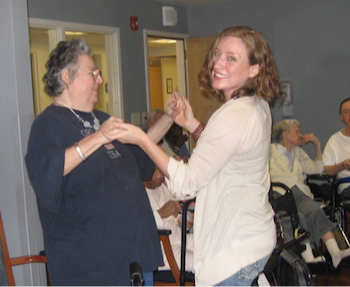
Two populations frequently encounter each other in the same setting. Trauma and dementia. And this is where Yoga Therapy comes in.
A man residing in a memory care unit becomes increasingly agitated every afternoon as the light begins to fade. The staff document this behavior as "sundowning" and consider adjusting his medication.
He is a Vietnam veteran who has never shared his experiences, and the part of him that maintained his composure for fifty years is now slipping away.
This situation is not unusual. A study involving over 181,000 older veterans within the VA system found that those diagnosed with post-traumatic stress disorder (PTSD) are significantly more likely to develop dementia. Researchers are still investigating the underlying reasons for this link. While the connection between trauma and cognitive decline is acknowledged, it remains an open question rather than a definitive statement. What is clear is that trauma and cognitive decline often occur together, meaning a healthcare provider who understands only one of these issues is working with limited insight.
For further information, please refer to Yaffe et al., Archives of General Psychiatry, 2010; Snyder et al., Alzheimer's & Dementia, 2018; and Roughead et al., Journal of the American Geriatrics Society, 2017, which did not find the same association.
The demand is already written into the system
This is not a hopeful market. It is a mandated one.
Federal requirements
Nursing facilities are required to provide an ongoing program of resident-centered activities based on each resident's assessment, care plan, and preferences, and to build a person-centered comprehensive care plan for every resident. Facilities are surveyed on it.
Yoga is a covered VA approach
Yoga is one of the complementary and integrative health approaches included in the Veterans medical benefits package under VHA Directive 1137, delivered on site or in the community when the Veteran and care team consider it appropriate.
An aging cohort arriving now
The Vietnam-era generation is moving into long-term care. VA community living centers, contracted community nursing homes, and state veterans homes in every state are all part of where these elders will live out their years.
A practitioner who cannot read a chart is a visitor
Plenty of Yoga programs teach adaptive sequencing. Almost none teach a Yoga therapist how to work inside a regulated building, because that requires someone who has run the programs and prepared facilities for survey.
Before founding Sanctuary by the Sea, Jeanette Sealy held operational responsibility for recreation therapy programs across New Jersey, along with quality-of-life consulting and survey preparation and remediation. Her experience is built directly into this curriculum.
You will learn to read medical records, understand what nine medications do to a body in a wheelchair, write a goal a care team can work toward, document it, and speak with a director of nursing in language she actually uses. That is the difference between a nice visit and a documented intervention that makes a difference.
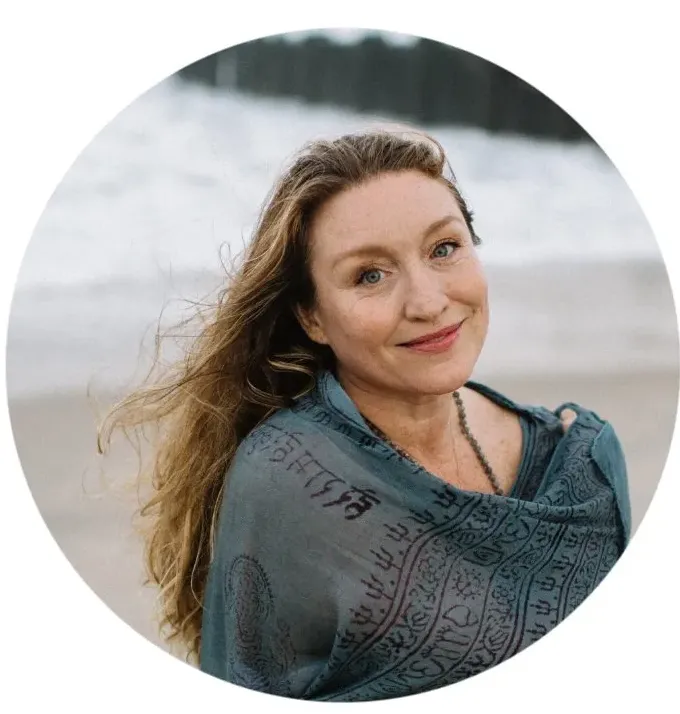
Program Founder and Lead Faculty
Jeanette Sealy, C-IAYT, LMT
Jeanette is a Certified Yoga Therapist, Licensed Massage Therapist, Ayurvedic practitioner, clinical educator, and United States Air Force veteran who has practiced yoga since 1997.
Her clinical background spans long-term care, hospice and end of life, oncology, cardiac and stroke recovery, perinatal care, recreation therapy, and corporate healthcare. Before founding Sanctuary by the Sea, she held operational responsibility for recreation therapy programs across New Jersey, along with quality-of-life consulting and survey preparation and remediation.
Jeanette was a featured speaker at the APTA Combined Sections Meeting, where she presented on trauma-informed mindfulness for clinical populations, and NJAPA on validation therapy for people with dementia. She is an accreditation committee member for IAYT and serves on their 300-hour Foundations Task Force. As a Death Doula and Ayurvedic Postpartum Doula, Jeanette brings a whole-life lens to every dimension of this work.
In this training, you don't just learn a bunch of material; you learn alongside someone who has lived it, practiced it clinically, and refined it across decades of caring for people at the most vulnerable moments of their lives.
Ayurveda has described this stage of life for millenia
Dryness. Sleeplessness. Cold hands. Constipation. Tremor. Restlessness at dusk. Appetite that fades. Fear that arrives without a cause anyone can name.
Staff in long-term care observe every one of these daily and have no single framework to hold them together. Ayurveda calls late life the vata stage, and vata disturbance is a precise description of exactly what they are seeing.
You will learn to read it, and to respond with warmth, oil, rhythm, weight, sound, and rest. This is not a metaphor. It is a clinical lens that makes sense of a room.
Fifteen modules, 315 hours
Mapped to the five IAYT competency sections, with every hour traceable to a section.

Foundations and ethics in regulated settings
Scope of practice inside a licensed facility, resident rights, consent, mandatory reporting, and the Vedic worldview underneath the work.
Dementia across the continuum
From early stage through late stage practice when language is gone. Behavior as communication, assessment without reliable self report, and what to do at four in the afternoon.
Veteran-centered practice
Combat trauma, moral injury, hypervigilance, and the culture of the population. Yoga Nidra taught by a retired Army Colonel who understands what deep rest asks of a veteran.
The aging body
Sarcopenia, osteoporosis, kyphosis, joint replacement precautions, gait and fall risk, persistent pain, and honest range of motion goals.
Grief, dying, and moral injury
Anticipatory grief, ambiguous loss in dementia, hospice practice at the bedside, and the warrior in moral crisis who is now eighty years old.
Getting the work funded
Regulatory literacy, care plan integration, proposals administrators read, VA pathways, contracting, liability, and rates.
315 hours
Exceeding the 300-hour minimum, mapped to all five IAYT sections.
January 2027
Inaugural cohort, running through December 2027 with a closing retreat.
Modular hybrid
Live sessions and cohort-scheduled recordings, with in-person intensives at the shore.
60 practicum hours
In person, in an aging or veteran-serving setting, with an assigned faculty mentor.
Our Esteemed Guest Faculty
Six teachers, each holding an incredible depth and love for Yoga. These are Jeanette's own teachers.
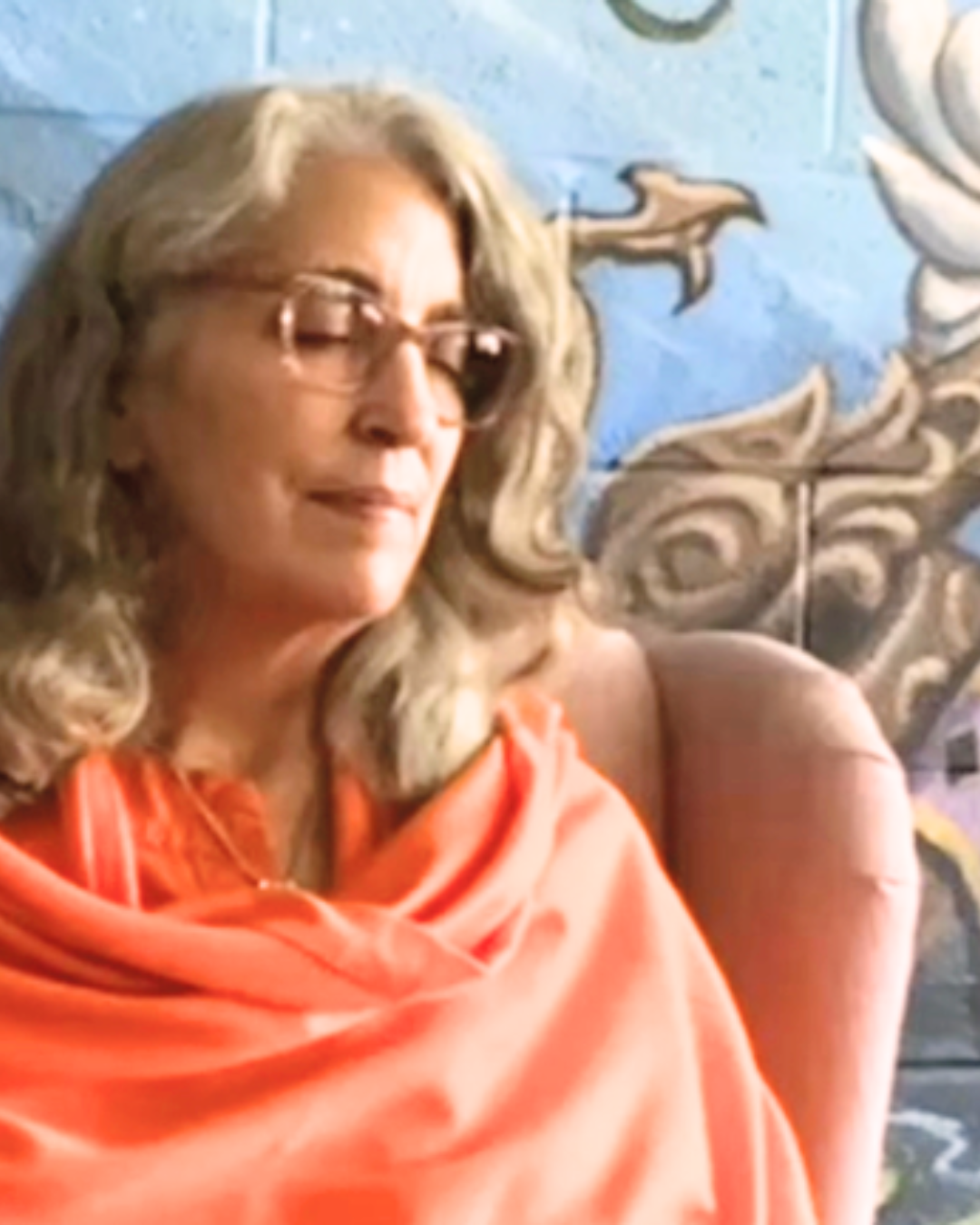
Swamini Shraddhananda Saraswati
End of Life Care, Grief, and Moral Injury
An initiated monk in the Saraswati lineage who authored two hospital-based yoga therapy programs and offered bedside spiritual counsel, then trained others to do the same.
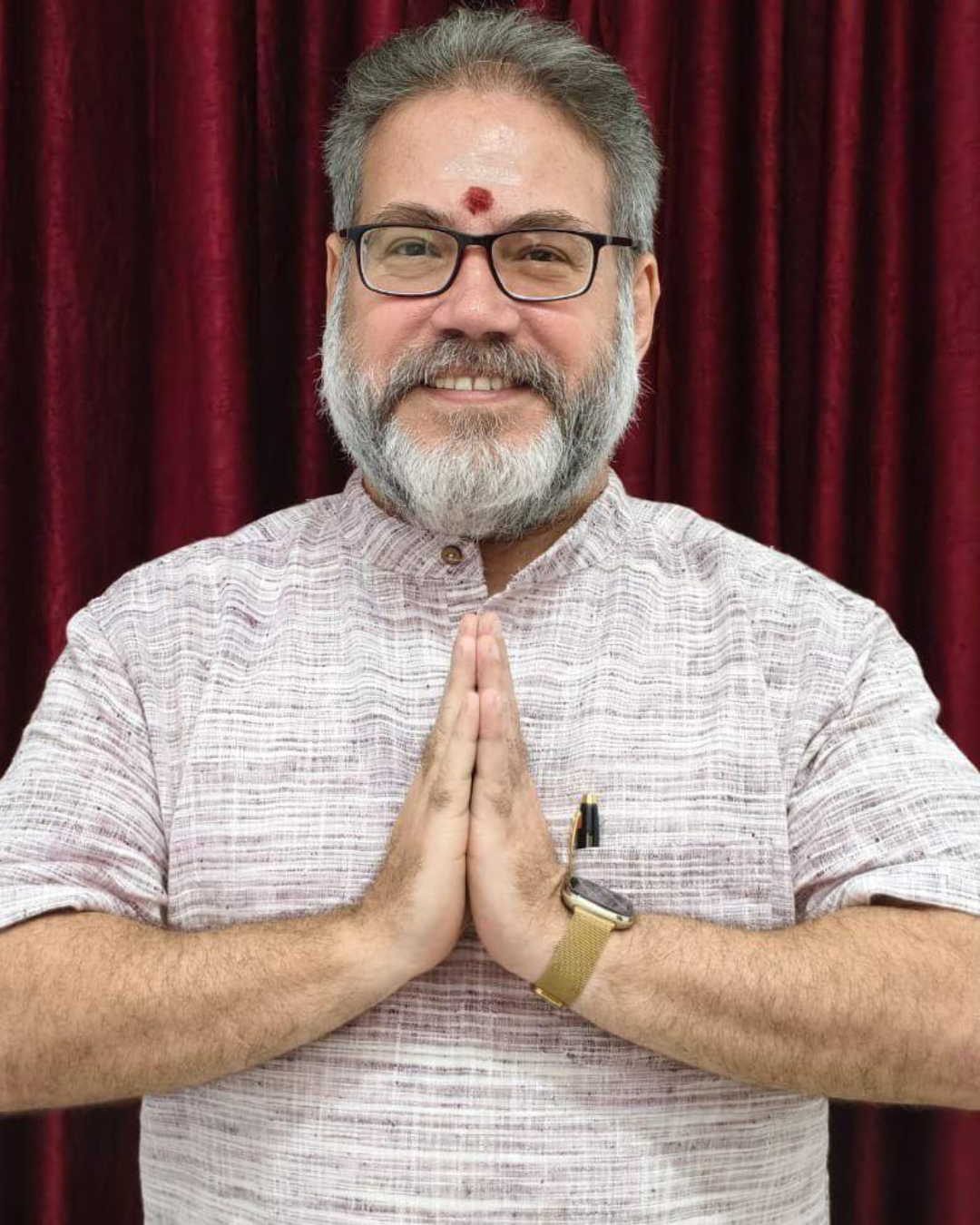
Dr. Ananda Balayogi Bhavanani
Yoga as Salutogenesis
Author of 35 books and more than five hundred published papers on yoga research. For him yoga is a means for the evolution of the human mind into further states of consciousness.

Nidhi Pandya
Ayurveda in Clinical Settings
A third-generation Ayurvedic Vaidya and author of Your Body Already Knows. Ayurveda was something Nidhi was raised inside.
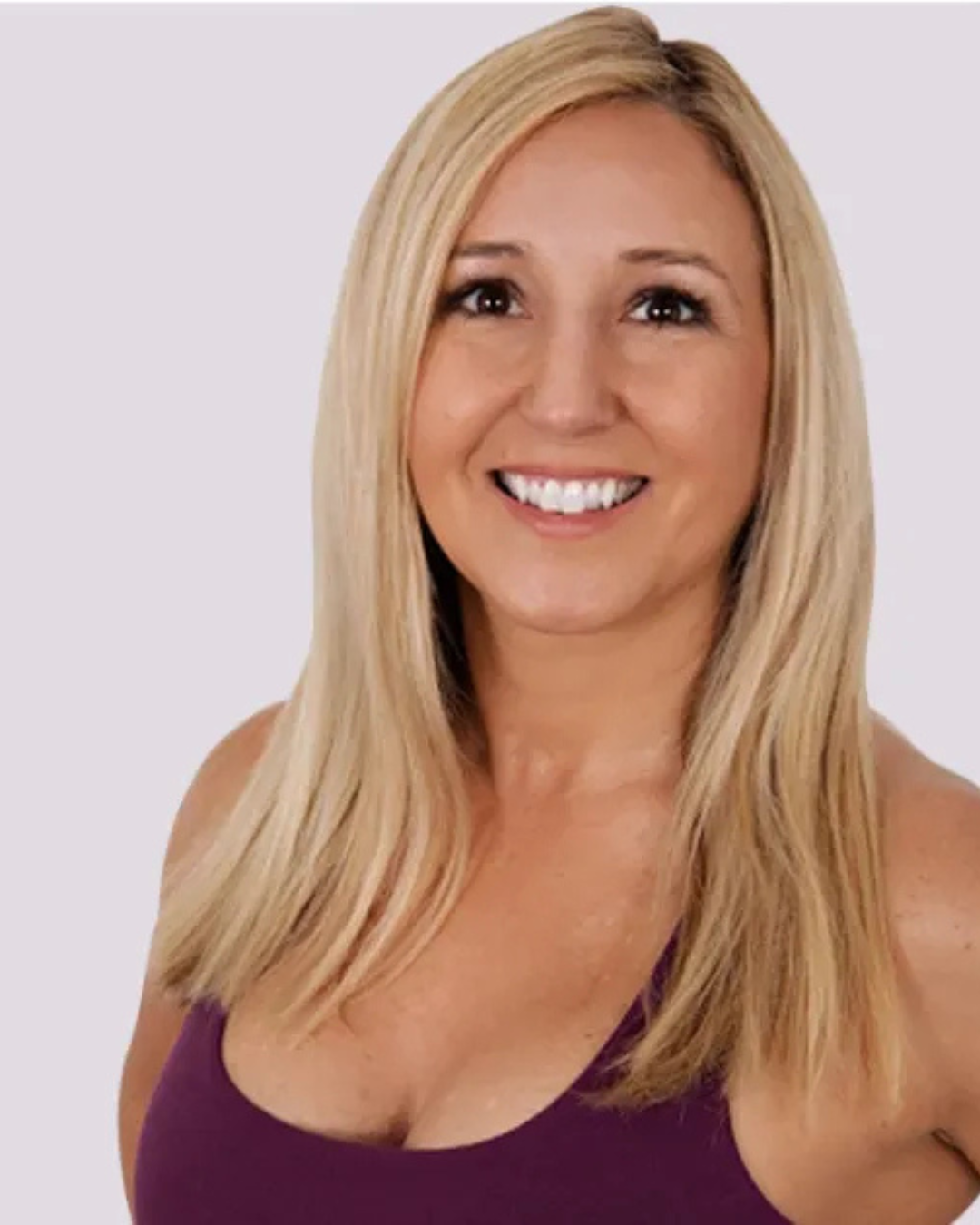
Jules Mitchell, MS
Yoga Biomechanics
Her graduate research on stretching and tissue adaptation changed how thousands of teachers understand the body. Her work on hypermobility matters enormously in clinical populations.
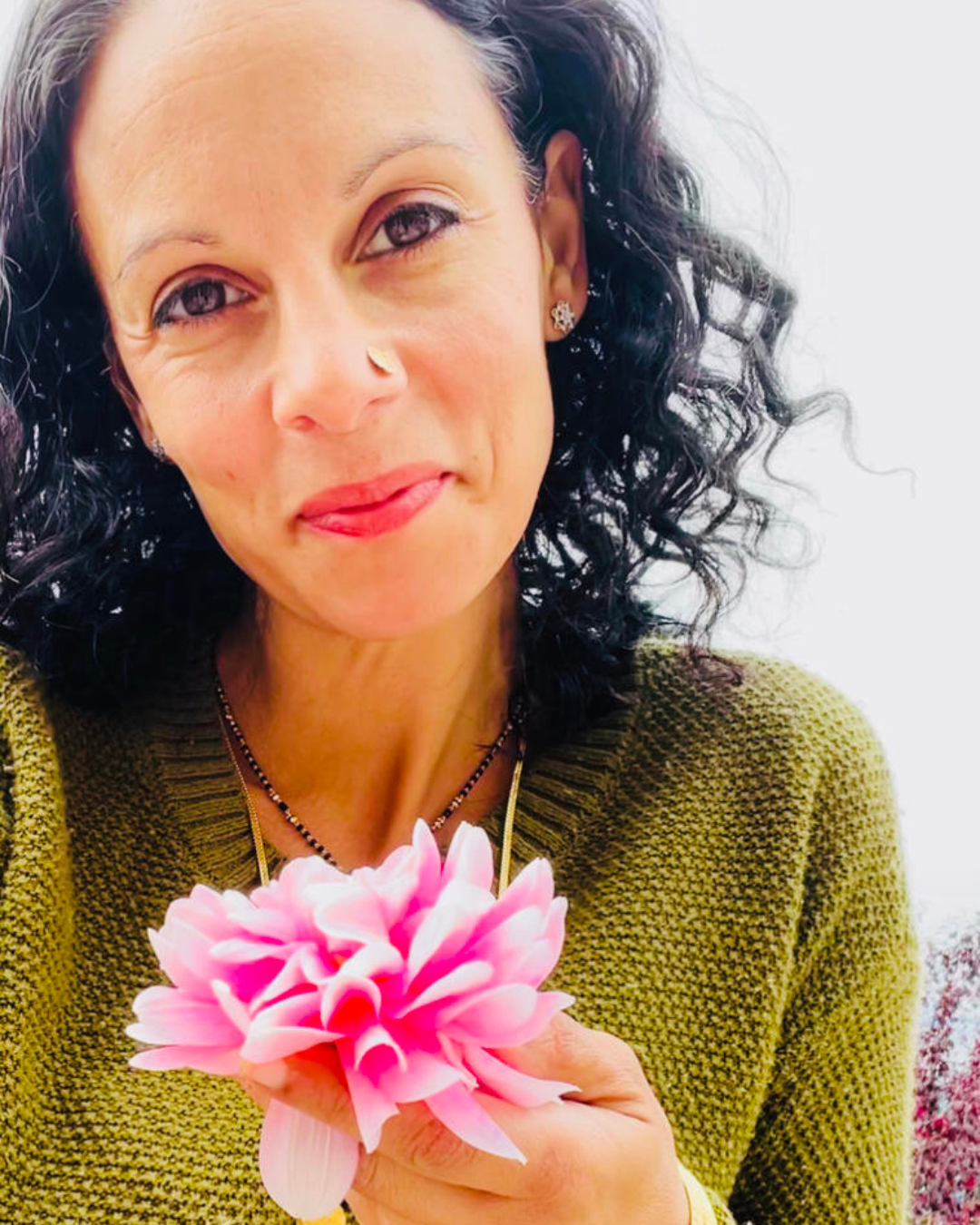
Kaya Mindlin
Supreme Release Yoga
Creator of a deeply somatic approach that works with the body's own intelligence. Students leave with a different relationship to their tissues and their capacity to let go.
Mike Rodriguez
Yoga Nidra and Veteran-Centered Practice
A retired Army Colonel and founder of Maha Sadhana who teaches Yoga Nidra as a practice of profound rest and inner listening.
Who this training is for
Licensed and credentialed healthcare professionals: physical and occupational therapists, nurses, licensed clinical social workers, massage therapists, recreation and activity professionals, chaplains, and psychotherapists.
Experienced yoga teachers with a 200-hour certification and at least two years of personal practice who want to work where the need is greatest.
People already working in eldercare or veteran services who sense that something essential is missing from what they are permitted to offer.
And what this training does not do
This is not acute care training. It does not prepare you as a stroke, cardiac, or oncology specialist. You will learn to recognize those conditions, understand what they change about practice, and know when to refer, because you will meet these residents. Specializing in them is a different education.
This is also a Foundations credential on the IAYT Qualified Healthcare Professional pathway. It is not full C-IAYT certification, which requires an 800-hour accredited program. We will walk you through exactly what it authorizes before you apply.
Enrollment
How to Join
- Founding cohort begins January 2027
- $6,000 early bird tuition
- $500 deposit to reserve your seat, applied in full toward tuition
- Payment plans available
- Immediate access to Alchemy of Trauma self-paced online course
If you decide this is not right for you before the cohort begins, your deposit becomes a credit toward anything else we offer. The full policy is just below.
The application is a conversation. Tell us where you work, who you serve, and what brought you to this.
Apply Now
Deposit and enrollment policy
We would rather be plain about money than clever about it.
Your deposit
A $500 deposit reserves your seat and is applied in full toward tuition. It is not an additional fee.
If you change your mind before the cohort begins
The deposit is not returned as cash, and it does not vanish either. It converts to a credit for the full $500 toward any other Sanctuary by the Sea offering: Thai Yoga Massage training, Ayurveda programming, a retreat, a membership, or a later cohort of this program. The credit is valid for twenty-four months from the date you paid it, and it stays with you rather than transferring to another person.
You do not need to justify the decision to us. Life changes. Tell us and we will move it.
If we cancel or postpone
If Sanctuary by the Sea cancels or postpones the cohort for any reason, your deposit is refunded in full, in cash, within thirty days. You are not asked to accept a credit instead.
Tuition balance and withdrawal after the program begins
The remaining tuition balance, the payment schedule, and the withdrawal and refund terms once the program has started are set out in the enrollment agreement, which you receive and sign before any balance is due. Nothing in that agreement will be new to you at that point.
Questions
Does this make me a certified yoga therapist?
Do I need to already work in long-term care?
How much of this is in person?
Why dementia and veterans specifically?
Applications are open for the January 2027 cohort
The application opens the door to a conversation. Tell us where you work, who you serve, and what brought you here. We look forward to connecting with you.
Apply Now